In the grand tapestry of music production, synthesizers are the threads that weave creativity and innovation together. Whether you’re crafting atmospheric soundscapes, pulsating beats, or intricate melodies, the choice of synthesizer can profoundly affect your artistry. The debate between analog and digital synthesizers has long been a topic of discussion among musicians, producers, and sound designers. Each type brings its own unique character, workflow, and sound, influencing how we create and experience music. This exploration into analog vs digital synths aims to illuminate their distinct features and help you determine which path aligns with your musical vision.
Understanding the Basics of Analog and Digital Synths
At its core, an analog synthesizer generates sound through continuous electrical signals. These signals travel through various components like oscillators, filters, and amplifiers, creating a rich and organic sound. Analog synths often evoke a sense of warmth and depth, which many musicians find inspiring.
In contrast, digital synthesizers use numerical data to produce sound waves. They rely on algorithms and sampling technology to create and manipulate sounds. Digital synths can replicate a wide array of instruments and soundscapes, offering versatility that is hard to match. Understanding these fundamental differences sets the stage for appreciating the unique qualities each type brings to your music.
Sound Quality: A Closer Look at Analog vs Digital
When it comes to sound quality, the debate between analog and digital synthesizers intensifies.
Characteristics of Analog Sound
Analog synthesizers are celebrated for their warmth and richness. The continuous nature of their sound waves leads to a smoother output, often described as more “natural.” This warmth is characterized by subtle imperfections and variations inherent in analog circuitry, giving each sound a unique character. Musicians often find that these qualities invite emotional expression, making the music feel alive and organic. Whether it’s the deep thump of a bass line or the ethereal sweep of a pad, analog sounds can evoke a visceral response that resonates with listeners.
Characteristics of Digital Sound
Digital synthesizers, on the other hand, excel in precision and clarity. They can produce incredibly accurate reproductions of sounds, making them ideal for a wide range of applications. Digital synths often come packed with features that allow for extensive sound manipulation, including complex modulation routing and vast libraries of presets. This flexibility enables musicians to experiment and create sounds that might be difficult to achieve with analog synths. However, some argue that the precision of digital sounds can sometimes lack the warmth and human touch found in analog counterparts.
Ultimately, the choice between analog and digital comes down to personal preference and the desired emotional impact of the music.
Workflow Differences: How Each Type Influences Music Production
The workflow associated with analog and digital synthesizers significantly affects the music production process.
User Interfaces and Control Mechanisms
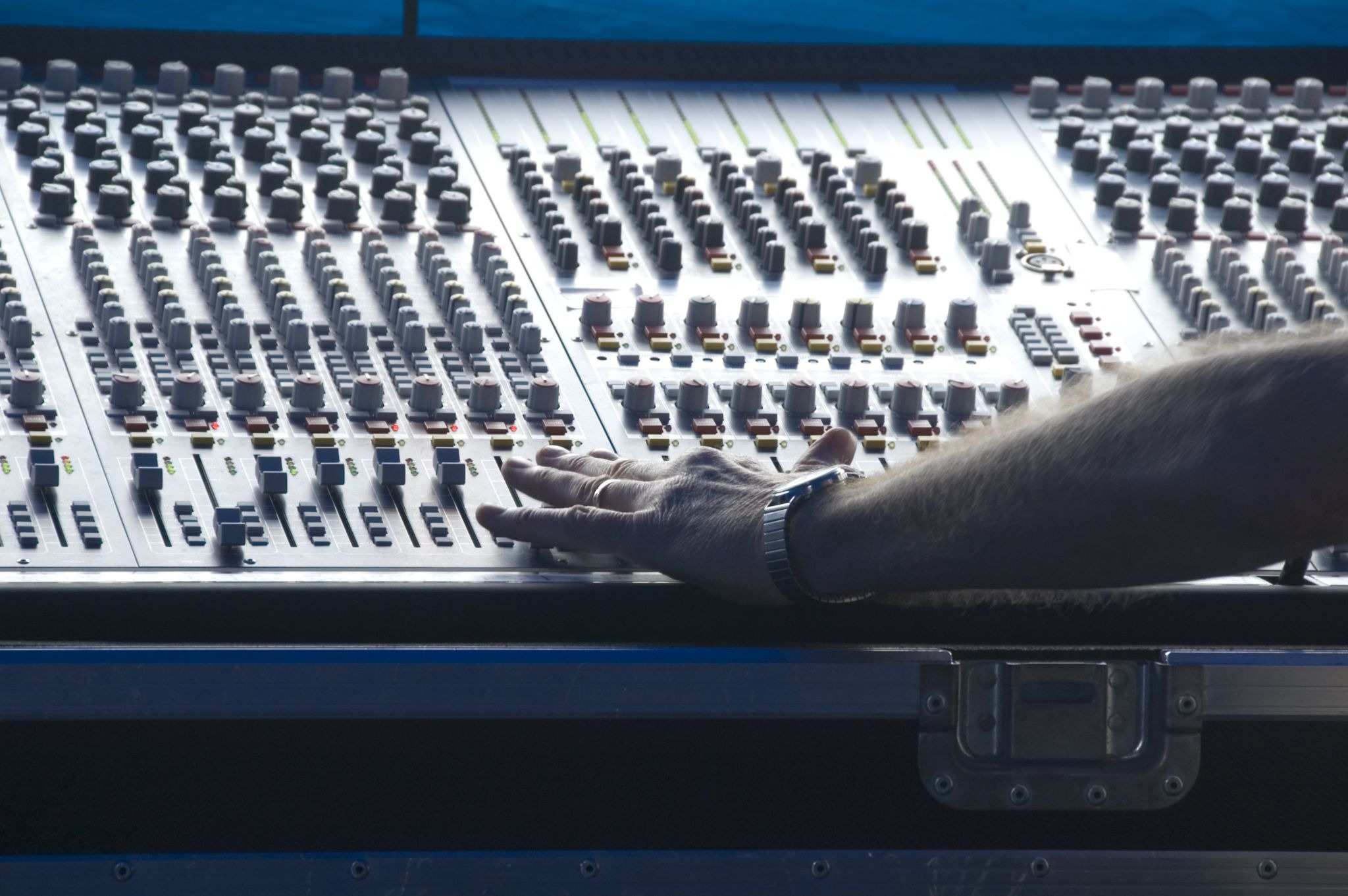
Analog synthesizers typically feature hands-on control with knobs, sliders, and switches. This tactile interface allows for a direct connection between the musician and the instrument. Adjusting a filter or modulation in real-time can inspire spontaneous creativity, making it easy to lose oneself in the sound. The immediate feedback offered by analog controls fosters an intuitive approach to sound design that many find exhilarating.
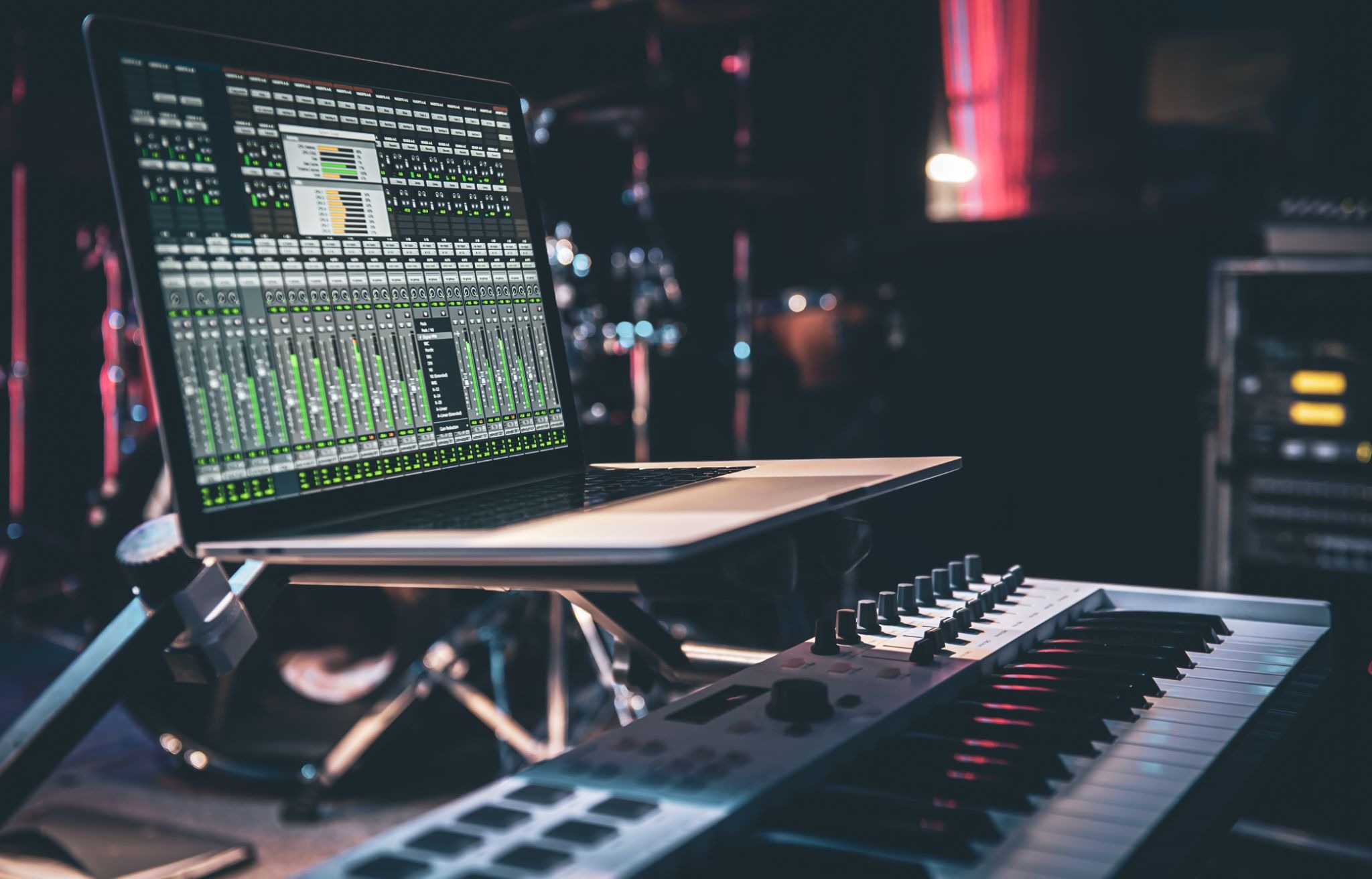
On the flip side, digital synthesizers often integrate with software, allowing for more complex control schemes. This can include automation, extensive preset management, and even integration with digital audio workstations (DAWs). While the software interface can provide powerful tools for sound design, it may lack the immediacy and tactile pleasure found in analog synths. Some musicians find that this distance can stifle creativity, while others appreciate the precision and flexibility digital synths offer.
Sound Design and Creation Process
When it comes to sound design, analog synthesizers often encourage a more exploratory approach. The process feels organic, where tweaking a knob can lead to unexpected and delightful results. The limitations of analog gear can inspire creativity, pushing musicians to find new ways to achieve their desired sounds.
Conversely, digital synthesizers allow for intricate sound manipulation. Musicians can delve deep into sound design with the ability to layer multiple oscillators, apply complex effects, and create detailed modulation patterns. This complexity can be both a blessing and a curse; while it opens the door to endless possibilities, it can also lead to decision fatigue and overwhelm. The digital realm allows for sound design precision but may lack the spontaneity that many musicians cherish in analog workflows.
Use Cases: When to Choose Analog or Digital Synths
The context in which you plan to use your synthesizer can greatly influence your choice between analog and digital.
Genre-Specific Applications
Certain genres tend to favor one type of synthesizer over the other. Analog synths have become synonymous with genres like synthwave, ambient, and classic electronic music, where their warm, lush tones can evoke nostalgia and emotional depth. The rich harmonics found in analog sounds lend themselves beautifully to crafting immersive atmospheres.
On the other hand, digital synths shine in genres that demand precision and versatility, such as pop, hip-hop, and modern electronic music. Their ability to mimic a wide range of instruments and sounds makes them invaluable in contemporary music production. Musicians can layer sounds, create complex arrangements, and achieve polished productions that resonate with today’s audiences.
Live Performance vs Studio Recording
When it comes to live performance, analog synthesizers often have an edge. Their tactile controls and immediate sound generation allow for real-time manipulation, creating a dynamic and engaging performance. The unpredictability of analog sounds can add excitement and spontaneity to a live set, captivating audiences.
In contrast, digital synthesizers excel in studio recording environments. Their extensive features and capabilities enable musicians to craft highly detailed and polished tracks. The ability to save and recall presets quickly also makes digital synths ideal for studio work, where time is often of the essence. Musicians can switch between sounds and settings seamlessly, allowing for quick adjustments during the recording process.
Cost Considerations: Investing in Your Sound
When considering analog vs digital synthesizers, cost is an important factor.
Analog synthesizers often come with a higher price tag, particularly vintage models that are sought after for their unique sound characteristics. However, investing in a quality analog synth can yield long-term value, as these instruments often retain their worth and can even appreciate over time. The craftsmanship and materials used in analog gear contribute to their durability and enduring appeal.
Digital synthesizers, in contrast, offer a wider range of price points, making them more accessible for beginners and those on a budget. Many digital options come loaded with features and sounds that can rival analog synths, providing excellent value for money. However, the rapid pace of technological advancement in the digital realm can mean that certain models may become outdated more quickly than their analog counterparts.
Hybrid Solutions: The Best of Both Worlds
For those who find it challenging to choose between analog and digital synthesizers, hybrid solutions offer an exciting alternative. Hybrid synthesizers combine the best elements of both worlds, allowing musicians to enjoy the warmth of analog sounds while benefiting from digital technology’s versatility.
These instruments often feature analog signal paths with digital control, providing hands-on interaction with the sound while also allowing for complex modulation and effects typically found in digital synths. This blend creates a rich sonic palette, enabling musicians to explore new creative avenues and push the boundaries of their sound.
Conclusion
In the ongoing discussion of analog vs digital synthesizers, both types offer unique advantages that cater to different musical needs and preferences. Analog synthesizers are often favored for their warmth, character, and intuitive workflow, making them ideal for those seeking an organic and emotional sound. On the other hand, digital synthesizers provide precision, versatility, and an expansive toolkit for sound design, appealing to modern musicians who value flexibility in their creative process. Ultimately, the choice between analog and digital should align with your personal artistic vision and the specific demands of your music. The journey of exploring both worlds can lead to new discoveries and enriched musical experiences.
Frequently Asked Questions
What are the best analog synthesizers for beginners?
For beginners, models like the Korg Monologue and Arturia MicroBrute offer accessible features and intuitive interfaces without overwhelming complexity.
Can digital synthesizers replicate analog sounds?
Yes, many digital synthesizers are designed to emulate analog sounds accurately. High-quality digital synths can provide similar warmth and depth through sophisticated algorithms.
How do I choose between analog and digital synths for my music style?
Consider the genre you’re working in and what sound qualities are most important to you. If you value warmth and character, an analog synth may be preferable. If versatility and precise control are key, a digital synth might be the better choice.