In the vibrant world of psytrance, the bassline is the heartbeat of the track. It drives the energy and creates an immersive experience for listeners. Understanding how to design a powerful psytrance bassline is crucial for any producer who wishes to make a mark in this dynamic genre. A well-crafted bassline not only supports the rhythm but also adds depth and emotion to the music. It sets the foundation for the entire track, making it essential to master the art of bassline creation.
The Role of Basslines in Psytrance
Basslines in psytrance are not just there to provide low-end support; they are an integral part of the overall soundscape. They weave through the other elements, creating a sense of movement and groove. A powerful bassline enhances the overall energy of the track, making it danceable and engaging. It acts as a bridge between the beats and melodic elements, ensuring that the listener remains captivated. Without a compelling bassline, even the most intricate melodies can fall flat.
Characteristics of Effective Psytrance Basslines
Effective psytrance basslines possess distinct characteristics that set them apart. They are typically deep, punchy, and rhythmically complex. A good bassline should have a solid sub-bass foundation that fills the lower frequencies while maintaining clarity in the mix. The use of syncopation and variations in rhythm can create an infectious groove that invites listeners to move. Additionally, layering different bass sounds can add richness and texture, making the bassline more engaging.
Choosing the Right Tools in Your DAW
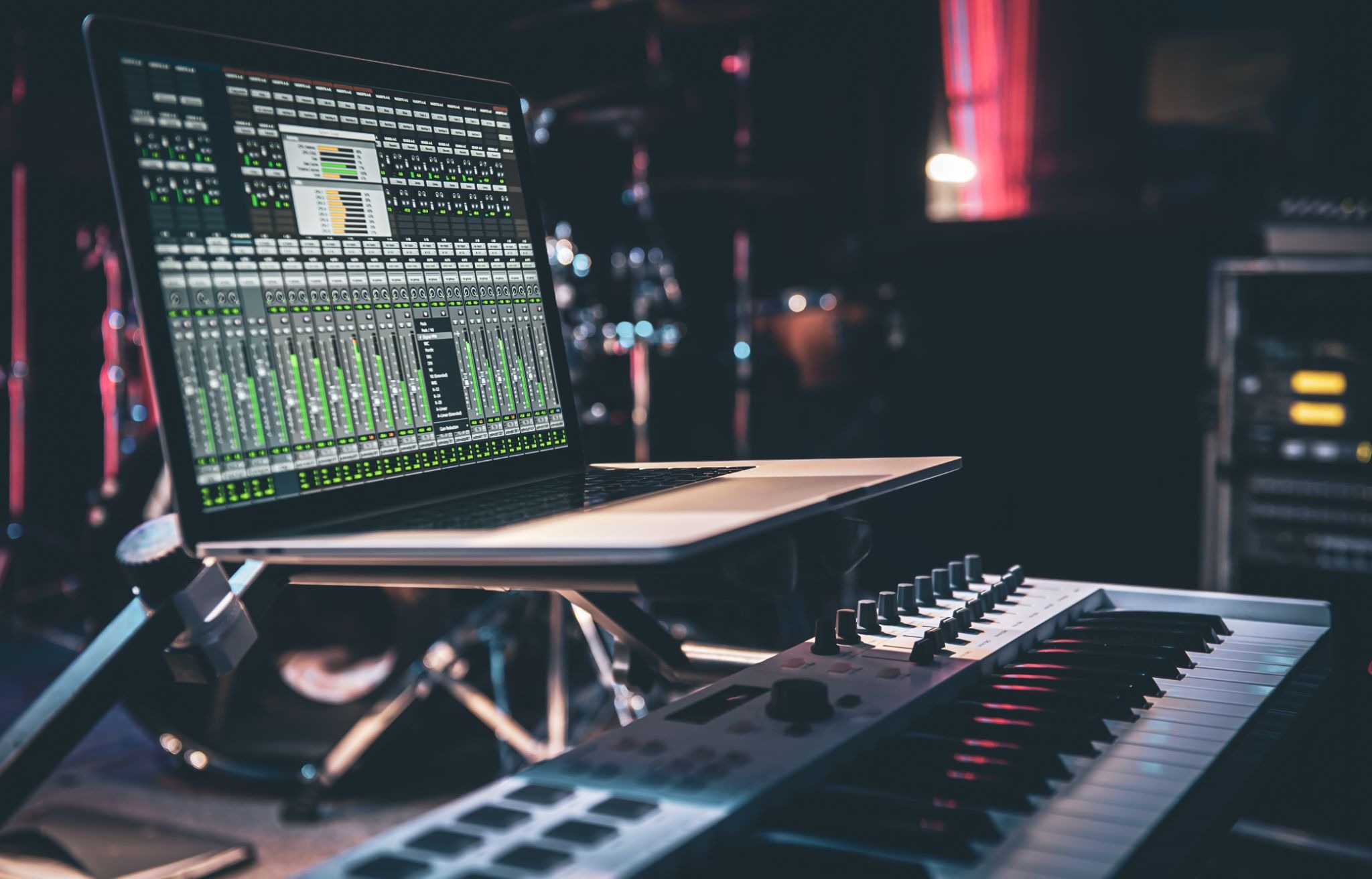
When it comes to designing a psytrance bassline, the right tools can make all the difference. Selecting the appropriate software and plugins is essential for achieving the desired sound. Many digital audio workstations (DAWs) offer a range of built-in instruments and effects that can be leveraged for bassline creation, but sometimes, specialized plugins can bring your sound to the next level.
Essential Plugins and Synths
Popular synthesizers for psytrance basslines include Serum, Massive, and Sylenth1. These tools offer a wide variety of sound-shaping capabilities, allowing producers to sculpt their bass sounds with precision. Serum, for instance, is known for its wavetable synthesis, which can create unique and evolving bass tones. It’s crucial to experiment with different waveforms and modulation techniques to find the sound that resonates with your artistic vision.
Recommended DAWs for Psytrance Production
While many DAWs can be used for psytrance production, some stand out for their features and user-friendly interfaces. Ableton Live is a favorite among electronic music producers for its intuitive workflow and powerful session view, which allows for easy manipulation of loops and samples. FL Studio is another popular choice, known for its robust piano roll and MIDI capabilities. Choosing a DAW that fits your workflow will streamline your production process and help you focus on designing that perfect bassline.
Crafting the Bass Sound
Once you have your tools in place, it’s time to dive into crafting the actual bass sound. This step is where the magic happens, and it requires a keen ear and a bit of experimentation.
Selecting the Right Waveform
The choice of waveform is fundamental in shaping your bass sound. Sine waves are smooth and provide a clean sub-bass foundation, while saw waves can add harmonic richness and presence. Experiment with different waveforms to find what complements the other elements of your track. It’s often beneficial to layer multiple waveforms to create a fuller sound. Start with a sine wave for the sub-bass and layer it with a saw wave or square wave for added texture.
Using Filters and Modulation
Filters play a vital role in shaping the character of your bass sound. A low-pass filter can help tame the high frequencies, allowing the low-end to shine through. Experiment with the cutoff frequency and resonance to find the sweet spot. Modulation can also add movement to your bass sound. Consider using an LFO to modulate the filter cutoff or the amplitude, creating a pulsating effect that adds depth and interest to your bassline.
Rhythm and Groove in Psytrance
The rhythm of your bassline is what will get people moving. In psytrance, it’s essential to create a groove that feels natural and infectious.
Creating a Solid Kick and Bass Relationship
The relationship between the kick drum and the bassline is crucial in psytrance. These two elements must work in harmony to create a solid foundation for the track. Typically, the kick drum hits on every beat, while the bassline can be more syncopated. This interplay creates a dynamic rhythm that drives the track forward. Make sure that the kick and bass are well-balanced in the mix; the kick should cut through while the bass provides the necessary weight.
Adding Syncopation for Groove
Syncopation is a powerful tool in creating an engaging bassline. By playing around with the timing of your bass notes, you can create unexpected rhythms that keep the listener’s attention. Instead of simply following the kick, try adding notes that fall between the beats or vary the length of the notes. This technique can create a compelling groove that invites listeners to dance.
Layering Techniques for Depth
Layering is an effective way to add depth and complexity to your bassline. It allows you to combine multiple sounds to create a rich and engaging texture.
Using Sub-Bass Layers
Sub-bass layers are essential for creating a powerful presence in your track. A well-defined sub-bass will ensure that your bassline translates well across different sound systems. Use a dedicated sub-bass synth or a low-pass filter on a synthesized bass sound to carve out this low end. Ensure that your sub-bass is tuned correctly and aligns with the fundamental frequency of your kick drum for maximum impact.
Adding Harmonic Content with Mid and High Frequencies
While the sub-bass provides the foundation, adding mid and high-frequency elements can enhance the overall character of your bassline. Consider layering a mid-frequency bass sound that adds warmth and richness. You might also incorporate higher frequency elements, such as a plucky synth or a distorted bass, to create excitement and movement. These layers should complement the sub-bass without overpowering it, ensuring a balanced mix.
Processing and Effects
Processing is where you can really bring your bassline to life. The right effects can add character and punch, making your bassline stand out.
Compression Techniques for Punch
Compression is a vital tool in ensuring that your bassline has the punch it needs. A well-placed compressor can help even out the dynamics and add sustain to the notes. Try using a fast attack and medium release to maintain the initial impact while smoothing out the sustain. This technique helps your bassline sit well in the mix, providing a consistent energy throughout the track.
Distortion and Saturation for Character
Distortion and saturation can add warmth and character to your bass sound. Subtle saturation can enrich the harmonic content, making the bassline feel fuller and more present in the mix. Experiment with different types of distortion to find what best suits your sound. Remember, a little goes a long way; you want to enhance your bassline without overwhelming it.
Finalizing Your Bassline
After crafting and processing your bassline, the final steps involve mixing and adding dynamic variations to ensure it remains engaging throughout the track.
Mixing Tips for Clarity and Presence
Mixing is where everything comes together. Ensure your bassline is well-balanced with the other elements in your track. Pay attention to the EQ; cut unnecessary frequencies to make room for other instruments, especially in the mid-range and high frequencies. Use panning to create space and clarity in the mix. A well-mixed bassline will have more presence and will be more effective in keeping the listeners engaged.
Automation for Dynamic Variation
Automation can breathe life into your bassline. By automating parameters such as volume, filter cutoff, or effects, you can create dynamic shifts that keep the listener interested. Consider automating subtle changes throughout the track to enhance the emotional impact of your bassline. This technique can help build tension and release, adding depth to your composition.
FAQs
What is the importance of the bassline in psytrance?
The bassline is the driving force of psytrance, providing rhythm and energy that captivates listeners.
Which DAWs are best for creating psytrance?
Popular choices include Ableton Live and FL Studio, known for their intuitive interfaces and powerful features.
How can I make my bassline punchier?
Use compression to even out dynamics and enhance the sustain, and consider adding distortion for added warmth.
What are effective layering techniques for basslines?
Combine sub-bass with mid and high-frequency layers to create a rich, engaging sound.
How can automation improve my bassline?
Automating parameters like volume and filter effects can create dynamic shifts, making your bassline more interesting throughout the track.