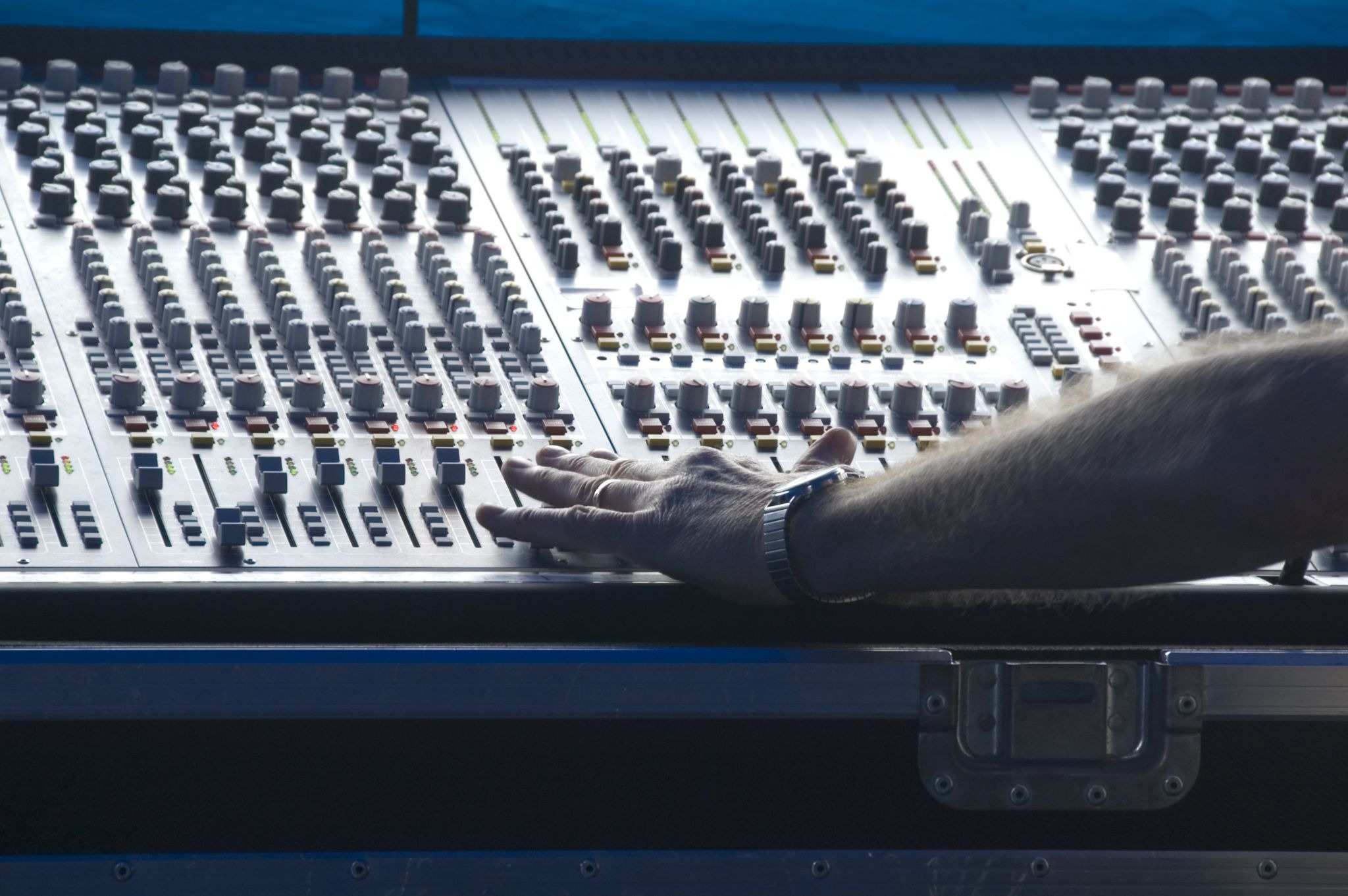
In recent years, music production has become more accessible than ever. With the rise of technology and affordable software, anyone with a passion for music can dive into the world of creating their own tracks. However, for beginners, the journey can feel overwhelming. Understanding the foundational aspects of music production is crucial for anyone looking to express their creativity through sound. This guide offers essential music production tips designed specifically for beginners in 2026, ensuring you start your musical journey on the right foot.
Understanding the Basics of Music Production
Key Terms Every Beginner Should Know
Before embarking on your music production journey, it’s vital to familiarize yourself with essential terminology. Knowing the language of music production helps you navigate through tutorials, online courses, and even discussions with fellow musicians. Terms like DAW (Digital Audio Workstation), MIDI (Musical Instrument Digital Interface), and VST (Virtual Studio Technology) are fundamental to understanding how music is created and manipulated in the digital realm. A DAW is the software you’ll use to record, edit, and produce music. Popular options include Ableton Live, FL Studio, and Logic Pro, each offering unique features tailored to different styles of production.
The Role of Different Music Production Software
The software you choose will significantly impact your music production experience. Each DAW has its strengths and weaknesses, making it essential to select one that aligns with your goals. For example, Ableton Live is favored for electronic music and live performances due to its intuitive interface and session view, while Logic Pro is often preferred by those who work heavily with MIDI and audio recording. Understanding these differences will empower you to make informed decisions that enhance your productivity and creativity.
Setting Up Your Home Studio
Essential Equipment for Beginners
Creating a home studio doesn’t require a fortune, but investing in essential gear is crucial for producing quality music. Start with an audio interface, which acts as the bridge between your computer and your instruments or microphones. It ensures high-quality sound input and output. A good pair of studio monitors is also essential, as they provide accurate sound representation, allowing you to mix and master your tracks effectively. Additionally, consider purchasing a reliable microphone if you plan to record vocals or instruments. A condenser microphone often works best for vocals, while dynamic microphones are great for instruments.
Creating an Inspiring Workspace
Your workspace can significantly influence your creativity and productivity. A well-organized and inspiring environment helps stimulate your creative flow. Make sure your studio is comfortable and free from distractions. Good lighting, soundproofing, and ergonomic furniture can greatly enhance your working conditions. Surround yourself with items that inspire you, such as artwork, instruments, or even your favorite albums. This personal touch can create a positive atmosphere that motivates you to produce your best work.
Fundamental Techniques in Music Production
Understanding Sound Design
Sound design is a crucial aspect of music production that goes beyond simply recording instruments. It involves creating and manipulating sounds to develop your unique sonic palette. Familiarize yourself with synthesizers, samplers, and audio manipulation techniques. Experimenting with different sound design tools will help you discover the textures and tones that resonate with your artistic vision. Utilizing virtual instruments and plugins can open up a world of possibilities, allowing you to craft sounds that are truly your own.
The Importance of Arrangement
Once you have your sounds, it’s time to think about arrangement. Effective arrangement is key to creating engaging music. This involves structuring your song in a way that keeps listeners interested. Start with a clear idea of the song’s progression, including verses, choruses, and bridges. Pay attention to dynamics and transitions, as these elements can significantly affect the emotional impact of your music. A well-arranged track will guide the listener through an auditory journey, making your music memorable and enjoyable.
Recording Techniques for Beginners
Microphone Placement and Techniques
Recording quality can make or break a track. Understanding microphone placement is essential for capturing the best sound. For vocals, positioning the microphone at a slight angle and at a distance of about six inches can help avoid plosive sounds while still capturing the richness of the voice. When recording instruments, consider the sound source and room acoustics. Experiment with different placements to find the sweet spot that captures the instrument’s character. Additionally, using techniques like double tracking can add depth and fullness to your recordings.
Layering Sounds for Depth
Layering sounds is a powerful technique that can enhance the richness of your music. By combining multiple sounds, such as a bassline with a kick drum or harmonizing vocal tracks, you create a fuller, more immersive listening experience. When layering, ensure that each sound occupies its own frequency range to avoid muddiness. Use EQ to carve out space for each element, allowing them to coexist harmoniously in the mix. This technique adds depth and complexity, making your tracks more engaging.
Mixing and Mastering Essentials
Introduction to Mixing
Mixing is where your track truly comes to life. It involves balancing individual elements to create a cohesive sound. Start by adjusting levels, ensuring that no single element overpowers the others. Use EQ to enhance or reduce specific frequencies, allowing each sound to shine. Compression is another vital tool in mixing, helping to control dynamics and ensure a consistent sound throughout the track. Additionally, panning elements across the stereo field can create a sense of space and depth, making your mix more dynamic and engaging.
Preparing for Mastering
Once your mix is complete, it’s time to prepare for mastering. Mastering is the final step in music production, where the mixed track is polished for distribution. Before sending your track off for mastering, ensure that it sounds balanced and cohesive. Leave some headroom in your mix, typically around -6 dB, to allow for mastering adjustments. It’s also helpful to listen to your track on different playback systems, such as headphones, car speakers, and home audio systems, to ensure it translates well across various formats.
Tips for Staying Motivated and Creative
Developing a Consistent Workflow
Establishing a consistent workflow is essential for maintaining productivity. Set aside dedicated time for music production, and treat it like an important appointment. Consistency helps build momentum, allowing your skills to develop over time. Create a routine that includes time for experimentation, learning, and refinement. This structured approach can help you stay focused and motivated, even when faced with challenges.
Overcoming Creative Blocks
Creative blocks are a common hurdle for musicians. When you find yourself stuck, try changing your environment or taking a break to recharge. Experiment with different genres or collaborate with other musicians to gain fresh perspectives. Sometimes, stepping away from your project can provide the clarity you need to return with renewed energy and ideas. Remember, creativity isn’t a constant flow, it ebbs and flows, and that’s perfectly normal.
Resources for Continued Learning
Online Courses and Tutorials
The world of music production is vast, and there are countless resources available for continued learning. Online courses from platforms like Coursera, Udemy, or Skillshare offer structured lessons that can help you develop your skills at your own pace. Video tutorials on YouTube can also be invaluable, providing insights into specific techniques or tools. Make it a habit to seek out new learning opportunities to expand your knowledge and keep your skills sharp.
Joining Music Production Communities
Connecting with fellow music producers can be incredibly beneficial. Online communities, forums, and social media groups provide a platform for sharing experiences, seeking advice, and receiving feedback on your work. Engaging with other musicians can inspire you and help you learn from their successes and challenges. Consider participating in local meetups or workshops to network with others in your area. Building a supportive community can propel your creative journey forward.
Conclusion
Embarking on your music production journey can be both exciting and daunting. By understanding the foundational aspects of music production and implementing the essential tips outlined in this guide, you’ll be well on your way to creating music that resonates with your audience. Remember, the key is to stay curious, keep experimenting, and embrace the learning process. Each track you create is a step toward developing your unique sound and artistic identity. Dive into the world of music production with passion, and don’t be afraid to make mistakes, they are often the stepping stones to your greatest achievements.