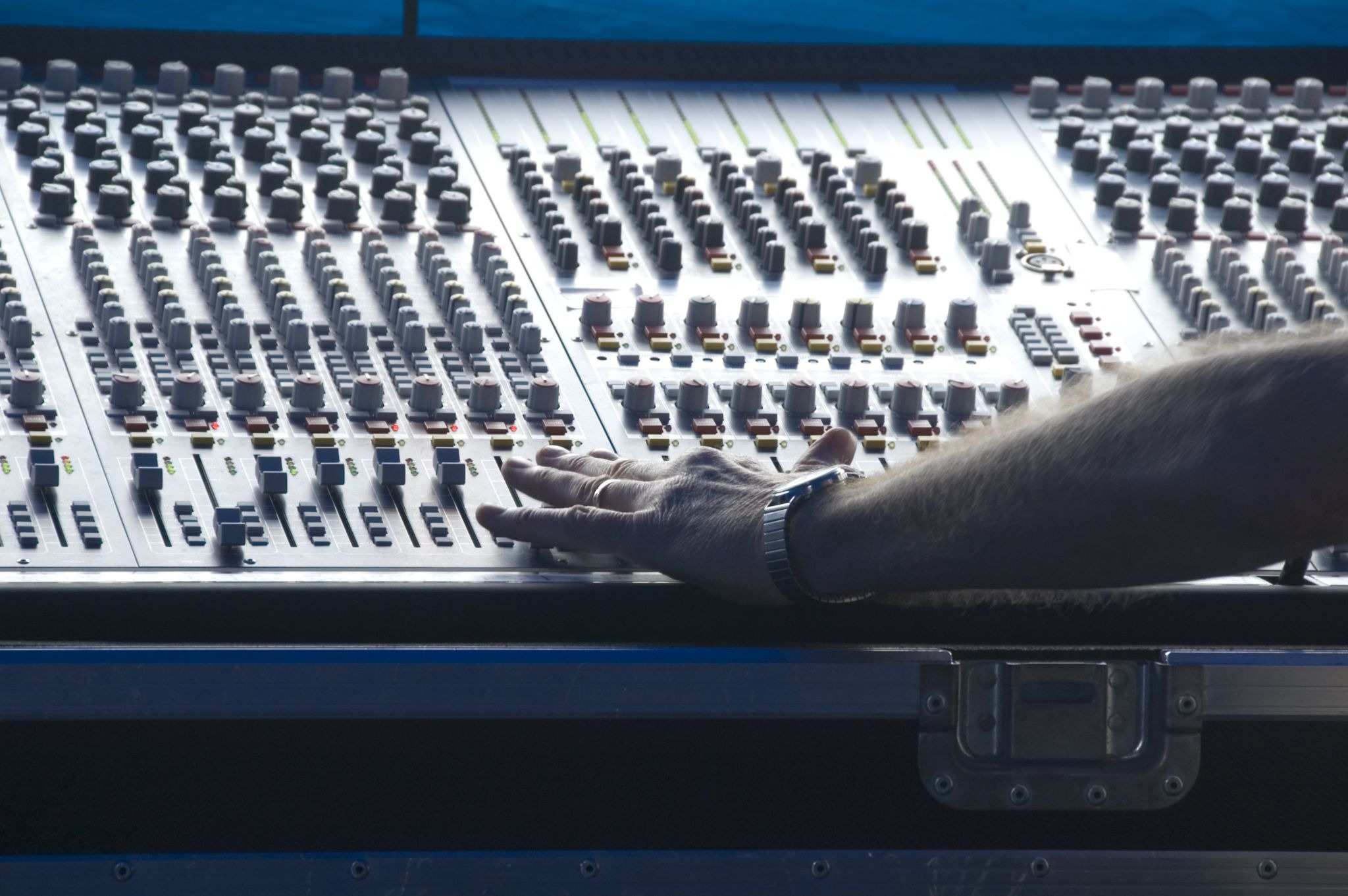
In the world of music production, the art of mixing and mastering is often what separates amateur recordings from professional masterpieces. It’s a delicate balance of technical skills and creative intuition, a craft that many aspire to master but few truly conquer. Whether you’re a budding producer or a seasoned musician, improving your mixing and mastering skills can significantly elevate your music. This post delves into the essential techniques, tools, and insights that will help you refine your craft and create polished tracks that resonate with listeners.
Understanding the Basics of Mixing and Mastering
Key Concepts in Mixing
Mixing is the process of combining multiple audio tracks into a cohesive sound. At its core, mixing involves balancing levels, panning sounds in the stereo field, and applying effects to enhance the overall audio quality. A successful mix should create a sense of space and clarity, allowing each element to shine without overpowering others.
To achieve this balance, understanding the essential elements of a good mix is crucial. One must consider the dynamics of different instruments and vocals, ensuring that each component complements rather than competes with another. Techniques like equalization (EQ) help to carve out frequency ranges for each instrument, allowing them to coexist harmoniously. Compression controls the dynamics, smoothing out volume fluctuations and adding punch to important elements like drums and vocals.
The Mastering Process Explained
Mastering is the final step in the music production process, where the mixed track is polished for distribution. This involves preparing the audio for various playback systems and formats, ensuring that it sounds great whether played on a high-end stereo or through a smartphone speaker. The goals of mastering include enhancing the overall loudness of the track, ensuring consistency across an album, and creating a final product that translates well in any listening environment.
Understanding the differences between mixing and mastering is vital. While mixing is about blending individual tracks, mastering focuses on the final output. The mastering engineer listens for tonal balance, stereo width, and overall loudness, applying subtle adjustments that elevate the track to a professional standard.
Developing Your Mixing Skills
Critical Listening Techniques
To improve your mixing skills, developing critical listening is paramount. This involves training your ears to identify nuances in sound and recognize areas that need improvement. Start by listening to a variety of music genres, paying attention to how different elements are balanced and layered. Focus on frequency ranges and the space each instrument occupies in the mix.
One effective exercise is to listen to a track you admire and analyze its components. What frequencies stand out? How are the vocals positioned? By dissecting professional mixes, you can train your ears to detect similar qualities in your work. Consider creating a reference playlist of tracks that exemplify great mixing to return to regularly as you hone your skills.
Utilizing Reference Tracks
Using reference tracks is a powerful technique for improving your mixing skills. By comparing your mixes to professionally produced songs, you can gain valuable insights into the mixing process. Choose tracks that have a similar style or feel to your music. Import them into your digital audio workstation (DAW) alongside your mix, and toggle between them to identify differences in levels, EQ, and overall sound.
When analyzing reference tracks, pay close attention to the spatial elements, such as where instruments are panned and how they sit in the mix. This will help you understand how to create depth and dimension in your own productions. Additionally, studying the dynamics and loudness of a reference track can guide you in achieving a competitive sound.
Tools and Software for Mixing and Mastering
Essential Plugins for Mixing
In today’s digital age, the right tools can make all the difference in your mixing process. While there are countless plugins available, some are essential for achieving professional results. EQs are crucial for sculpting frequencies and removing unwanted resonances. A good compressor can help control dynamics and add punch to your mix. Reverb and delay plugins create space and depth, enhancing the overall experience for the listener.
When selecting plugins, consider both free and paid options. Many free plugins offer remarkable quality and can serve as excellent tools for beginners. As you advance, investing in premium plugins can provide more sophisticated features and sound quality. Remember that the key is not just having the best tools but knowing how to use them effectively.
Mastering Software Options
Just as mixing requires specific tools, mastering has its own set of essential software. Popular mastering software includes programs like iZotope Ozone, FabFilter Pro-L, and Waves plugins. These tools are designed to help you prepare your track for distribution with features that allow for precise adjustments in loudness, EQ, and dynamics.
When choosing mastering software, consider your workflow and the features that are most important to your process. Some software offers built-in presets that can simplify the mastering process, while others provide deep customization options for experienced users. Experiment with different tools to find what works best for your style and needs.
Advanced Mixing Techniques
Layering Sounds for Richness
One of the secrets to a professional mix is the art of layering sounds. By combining multiple instances of an instrument or vocal, you can create a richer and more textured sound. This technique is especially effective for adding depth to vocals and creating fuller drum sounds.
When layering sounds, it’s essential to maintain clarity. Use EQ to carve out space for each layer, ensuring they complement rather than clash with one another. Experiment with different sounds and textures to find the right balance. For example, layering a dry vocal track with a harmonized vocal or adding subtle background instruments can enhance the overall richness of your mix.
Automation in Mixing
Automation is another powerful tool in the mixing process. It allows you to adjust levels, effects, and panning dynamically throughout your track. By automating certain elements, you can create movement and interest, keeping the listener engaged. For instance, gradually increasing the volume of a guitar solo can create a sense of build-up, while automating reverb on a vocal can add depth during specific sections.
To effectively use automation, familiarize yourself with your DAW’s automation features. Experiment with automating different parameters and observe how they impact the overall feel of your mix. This technique can transform a static mix into a dynamic listening experience.
Mastering Techniques to Elevate Your Tracks
Preparing Your Mix for Mastering
Before sending your mix off for mastering, it’s crucial to prepare it properly. This involves checking levels, ensuring no clipping occurs, and leaving headroom for the mastering engineer to work with. Aim for a mix that peaks around -6 dB to -3 dB to provide sufficient headroom.
Additionally, consider the tonal balance of your mix. Using reference tracks, compare the tonal quality of your mix to ensure it aligns with professional standards. Make any necessary adjustments before exporting your final mix, as this step is vital for a successful mastering process.
Mastering Chain Setup
The mastering chain is the sequence of effects and processes applied to your track during the mastering phase. A typical mastering chain might include an EQ for tonal adjustments, a compressor for dynamic control, a limiter to increase loudness, and possibly a stereo widener for enhancing the stereo image.
Understanding how to set up and adjust your mastering chain is crucial. Begin with subtle adjustments, gradually increasing intensity until you achieve the desired sound. Remember, mastering is often a blending of subtle changes that collectively enhance the track. Take your time to experiment and find what works best for your music.
The Importance of Feedback and Collaboration
Seeking Constructive Criticism
One of the best ways to improve your mixing and mastering skills is by seeking feedback from others. Constructive criticism can provide valuable insights that you may not have considered. When sharing your work, be open to differing opinions and use feedback as a tool for growth.
Consider joining online forums or local music groups where you can share your mixes and receive feedback. Engaging with fellow producers can introduce you to new perspectives and techniques. Remember, the goal is to learn and evolve, so embrace the feedback process as part of your creative journey.
Building a Network in the Music Production Community
Building a network within the music production community is essential for growth. Connect with other producers, engineers, and musicians to share knowledge and experiences. Attend workshops, conferences, or local meetups to expand your network and learn from industry professionals.
Collaboration can also lead to new opportunities and inspire your work. Working with others allows you to exchange ideas, experiment with different styles, and push each other creatively. Embrace the community, and you’ll find that it enriches your skills and fosters a supportive environment for your growth.
Conclusion
Improving your mixing and mastering skills is a journey that requires patience, practice, and a willingness to learn. By understanding the fundamentals, utilizing the right tools, and embracing feedback, you can elevate your music production to new heights. Remember that every great producer started where you are now. With dedication and the right mindset, you can unlock your potential and create music that resonates with your audience. So, take these insights, experiment with new techniques, and let your creativity shine.